Sector Rotation Strategy: Does Timing Sectors Actually Work?
By Lisa Nakamura ·
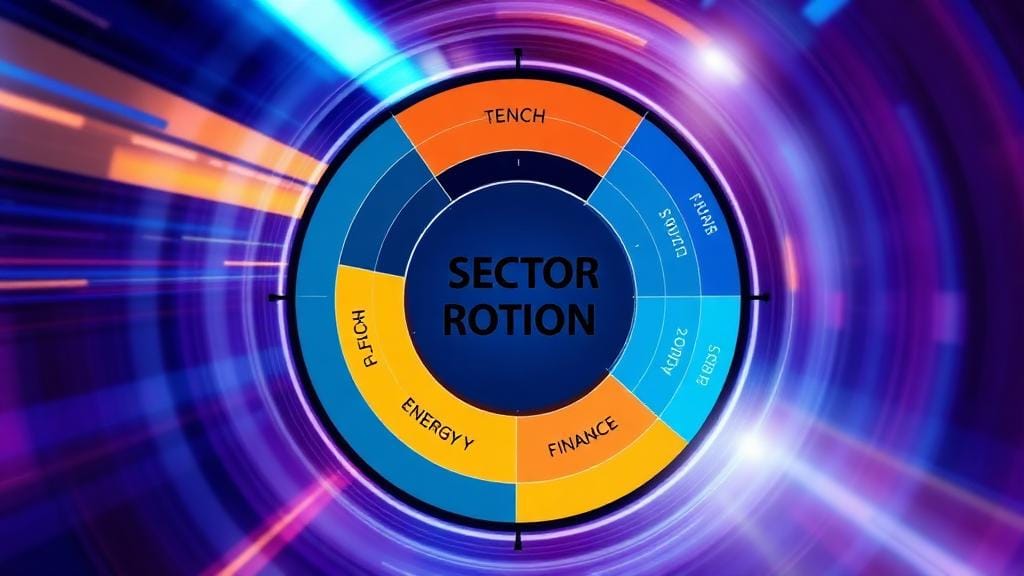
Sector Rotation: The Strategy That Sounds Better Than It Works
Sector rotation is the idea of shifting your portfolio between different market sectors based on economic cycles. Buy tech when the economy is growing, shift to utilities during recessions. In theory, you capture the best returns while avoiding the worst drawdowns.
In practice? It's harder than it looks.
The Theory Behind Sector Rotation
The concept is based on economic cycles:
Early Recovery: Consumer discretionary, industrials, and tech tend to lead as spending picks up.
Mid Cycle: Technology, industrials, and financial sectors usually perform well.
Late Cycle: Energy, materials, and healthcare often outperform as inflation rises.
Recession: Utilities, healthcare, and consumer staples tend to be more defensive.
The logic makes sense. The problem is implementation.
Why It Sounds Great
Backtests look amazing. "If you had rotated from tech to utilities in January 2022, you would have avoided the crash and outperformed by 30%!"
True. Also completely useless, because you'd need a time machine.
The appeal of sector rotation is the same as the appeal of market timing: the illusion that you can predict what happens next.
Why It's Hard in Practice
1. You need to predict cycles accurately
Economists can't reliably predict recessions. What makes you think you can time them well enough to adjust your portfolio in advance?
2. Sectors don't follow scripts
Yes, there are patterns. But every cycle is different. Tech crashed in 2022 despite no formal recession. Energy spiked when "everyone knew" oil was dead.
3. The timing is brutal
Even if you're right about the direction, you need to be right about the timing too. Being early is the same as being wrong in practical terms.
4. Transaction costs and taxes
Rotating between sectors means selling and buying. Each trade has costs. Each profitable sale might trigger taxes. These eat into your theoretical gains.
My Failed Experiment
In 2019, I read that we were "late cycle" and rotated into defensive sectors. Then the market kept rising through 2020, 2021, and I missed huge gains in tech.
When COVID hit, I thought "this is it" and rotated back to defensives. The market recovered in weeks and I missed the bounce.
By the time I figured out what was happening, I had underperformed a simple buy-and-hold strategy by a significant margin. All while doing extra work and paying extra taxes.
What Actually Works (For Most People)
Instead of sector rotation, consider:
Diversification across sectors: Own a little of everything. Some sectors will be up, some down. That's fine.
Rebalancing: Periodically sell winners and buy losers to maintain your target allocation. This captures some of the "buy low" benefit without trying to predict cycles.
Stay invested: Time in market beats timing the market. The evidence on this is overwhelming.
When Sector Rotation Might Work
I'm not saying it never works. It might make sense if:
- You have genuine expertise in specific sectors
- You can act without emotional bias
- You're using it for a small portion of your portfolio
- You understand you're speculating, not investing
The Bottom Line
Sector rotation is a real strategy used by some professional investors. But most individual investors would be better off with simple diversification and staying invested.
---
This article represents my personal opinions and experience. It's not investment advice. Sector investing involves risk, and past sector performance doesn't predict future results.
How this content was created
This article was created by the ClaritX Research Engine — an AI system that analyzes and cross-checks information from reliable, named sources. Published . Found an error? Report it — see our editorial policy and corrections process. Educational content only — not investment advice (full disclaimer).